



Tablet Coating Machines Explained for Beginners
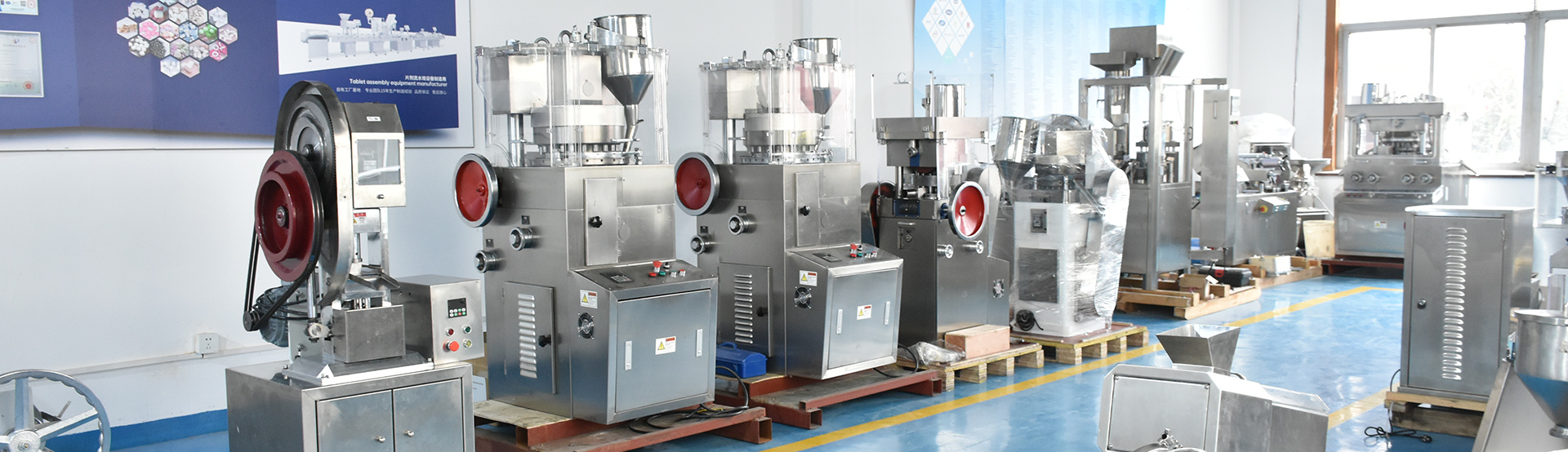
You see Tablet Coating Machines in pharmaceutical factories. These machines cover tablets with a protective layer. Coating helps shield medicine from moisture and light, increases shelf life, and makes pills easier to swallow. You also get better taste and a smoother look, which helps people take their medicine regularly.

How Tablet Coating Machines Work
The Coating Process Step-by-Step
When you use Tablet Coating Machines, you follow a series of steps to cover tablets with a protective layer. First, you load the tablets into a rotating drum or pan. The drum starts to spin, and the tablets tumble inside. This movement helps every tablet get an even coating.
Next, you spray the coating solution onto the tablets. The spray system atomizes the liquid, turning it into tiny droplets. These droplets stick to the tablet surfaces. Adhesion science explains why this happens. The coating bonds to the tablet because of forces at the interface between the tablet and the coating material. If the solvent in your coating matches the polymer’s solubility, the bond gets stronger. Tablets with rougher surfaces also hold the coating better.
After spraying, you need to dry the tablets. Heated air flows through the drum, removing moisture from the coating. The drying system controls the temperature and airflow. If you keep the air moving and the temperature steady, the coating dries quickly and evenly. You repeat the spraying and drying steps until the tablets reach the desired thickness.
Tip: If you want a smooth and shiny finish, make sure the drum rotates at the right speed and the airflow stays consistent.
Here’s a quick overview of the process:
1.Load tablets into the drum.
2.Start the drum rotation.
3.Spray the coating solution.
4.Dry the tablets with heated air.
5.Repeat spraying and drying as needed.
Key Components of a Tablet Coating Machine
Tablet Coating Machines have several important parts that work together to coat tablets efficiently. Each component plays a specific role in the process.
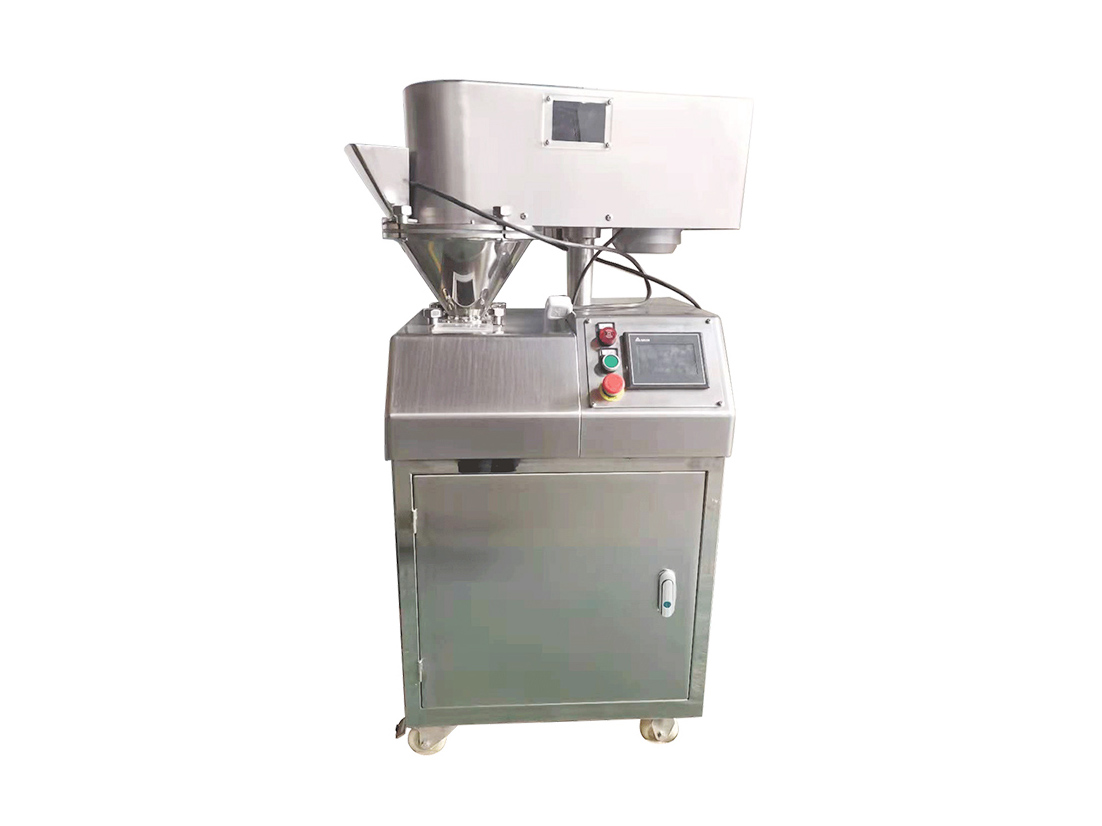
Automated Control System: You use this system to monitor and adjust settings like temperature, drum speed, and spray rate. It keeps the operation safe and smooth.
·Electric Motors: These motors power the drum rotation and air delivery. They help mix the tablets and move air for drying.
·Touch Screen Operation Panel: You control the machine using this panel. It’s easy to use and lets you change settings quickly.
·Mixing Baffles: These baffles sit inside the drum. They help tumble the tablets so each one gets coated evenly and doesn’t break.
·Peristaltic Pump: This pump keeps the spray pressure steady. It makes sure the coating solution atomizes properly.
·Spraying System: You use this system to apply the coating. It also helps with cleaning and maintenance.
The design and materials of these components affect how well the machine works. If you use a coating solution with high viscosity, the spraying process might slow down. Environmental conditions like temperature and humidity can change how fast the coating dries. Well-maintained machines run more efficiently and break down less often.
Note: The coating pan or drum is crucial. If you choose a perforated drum, you get better air distribution, which helps the coating dry faster and more evenly.
Here’s a table showing the main components and their functions:
| Component | Function |
|---|---|
| Automated Control System | Monitors and adjusts machine operations |
| Electric Motors | Powers drum rotation and air delivery |
| Touch Screen Panel | User-friendly control interface |
| Mixing Baffles | Ensures even tumbling and prevents breakage |
| Peristaltic Pump | Maintains spray pressure and atomization |
| Spraying System | Applies coating and aids cleaning |
Tablet Coating Machines rely on these parts to deliver consistent results. If you pay attention to each component, you can improve efficiency and get high-quality coated tablets every time.
Types of Tablet Coating Machines
When you look at Tablet Coating Machines, you will see several main types. Each type works a bit differently and fits different needs in pharmaceutical manufacturing. Here’s a quick table to help you compare them:
| Type of Coater | Description |
|---|---|
| Standard Pan Coaters | Uses a circular metal pan that rotates to coat tablets. |
| Perforated Pan Coaters | Features a drum with holes for better airflow and efficient drying. |
| Fluidized Bed Coaters | Uses air to lift and coat tablets in a vertical chamber. |
| Auto Coaters | Offers automated control for different production scales and coating needs. |
Let’s break down each type so you can see which one might work best for your needs.
Standard Pan Coaters
You will find standard pan coaters in many traditional tablet coating setups. These machines use a large, circular metal pan that rotates. When you load tablets into the pan, the rotation causes them to tumble and mix. This movement helps the coating solution reach every tablet.
The coating solution sprays onto the tumbling tablets, usually in an atomized form. Heated air flows into the pan to dry the coating. Some machines use special systems, like immersion swords or tubes, to blow air right into the tablet bed. This helps dry the coating faster and more evenly.
Here’s what you get with standard pan coaters:
·Good for film and sugar coating.
·Simple design and easy to operate.
·You can adjust the pan speed to improve coating uniformity. If you increase the speed, you often get a more even coating. But if you go too fast, the coating can become uneven again.
Note: Standard pan coaters sometimes struggle with fragile tablets. Tablets may chip or break if they tumble too much.
| Application/Process | Description |
|---|---|
| Film Coating | Improves appearance and makes tablets easier to swallow. Can help control how the drug is released. |
| Sugar Coating | Hides bad tastes and smells. Makes tablets look better but can slow down how fast they dissolve. |
| Limitation | Tablets can chip or abrade, making it hard to get a perfect coating. |
Perforated Pan Coaters
Perforated pan coaters look similar to standard pan coaters, but the drum has lots of small holes. These holes let air flow through the tablet bed, which speeds up drying and makes the coating process more efficient. You will see better results, especially when you need to coat a lot of tablets at once.
These machines use air-atomized spray nozzles and airflow controllers. The airflow moves through the tablets, drying them quickly and evenly. This setup helps you get a uniform coating and reduces the risk of tablets sticking together.
Some key advantages:
·Faster processing times. You can coat more tablets in less time.
·Lower labor costs because the process is more automated.
·Uniform results. Every tablet gets the same amount of coating.
·Higher quality. The finished tablets look and perform better.
💡 If you want to boost your production speed and get consistent results, perforated pan coaters are a smart choice.
Fluidized Bed Coaters
Fluidized bed coaters work in a completely different way. Instead of tumbling tablets in a pan, these machines use a strong flow of air to lift and suspend the tablets in a vertical chamber. The coating solution sprays onto the floating tablets, and the air dries them at the same time.
How does this help you? The air keeps the tablets moving, so every surface gets coated. The design of the air distributor is important. It prevents dead zones where tablets might not move or get coated. Some machines use a special Wurster chamber to make sure the coating forms a smooth, even layer.
·The air enters from the bottom and lifts the tablets.
·The spray system wets the tablets with the coating solution.
·The air dries the coating right away.
Fluidized bed coaters work well for making drug-loaded microparticles. You can use them for products that need controlled or sustained release, like some liquid medicines. Products such as Dyanavel XR and Quillivant XR use this technology for steady drug release.
Tip: If you need to coat small particles or want a controlled-release medicine, fluidized bed coaters are a great option.
Auto Coaters
Auto coaters bring automation to the tablet coating process. These machines handle everything for you, from spraying the coating to drying the tablets. You can set the temperature, spray rate, and drying time using a control panel. The machine takes care of the rest.
Auto coaters use advanced features:
·Programmable Logic Controllers (PLC) for precise control.
·Spray systems that atomize the coating solution for even coverage.
·Air handling units to manage drying.
·Anti-bearding spray nozzles to prevent clogging.
·Laser-guided spray systems for accuracy.
·Mechatronics technology for better process control.
You get several benefits:
·Consistent results every time. The machine controls all the variables.
·Less human error. The system monitors and adjusts the process automatically.
·High efficiency and energy savings.
·User-friendly operation with modern touch screens.
🚀 Auto coaters are perfect if you want to scale up production and need reliable, repeatable results.
Benefits of Using Tablet Coating Machines
Protection and Stability
You want your medicine to stay safe and strong until you need it. Tablet Coating Machines help you do that. The coating acts like a shield. It blocks moisture and light, which can break down the medicine inside. When you use coatings, you protect against oxidation and photodegradation. This keeps your tablets stable and powerful for a longer time.
Here’s a quick look at how coatings protect your tablets:
| Function | Description |
|---|---|
| Moisture Protection | Stops water from reaching the medicine, so it doesn’t break down. |
| Light Protection | Blocks sunlight, which can damage the active ingredients. |
| Stability | Keeps the medicine strong and safe, even if you store it for months. |
💡 Coated tablets last longer on the shelf and keep their quality. You don’t have to worry about your medicine losing its strength before you use it.
Improved Appearance and Taste
Nobody likes a bitter pill. Tablet Coating Machines make tablets look smooth and shiny. They also help mask bad flavors. You get a tablet that’s easier to swallow and tastes better. Coatings can use flavors or sweeteners to hide unpleasant tastes. This makes it easier for you to take your medicine every day.
·Coatings cover up bad tastes.
·Tablets look more appealing and less chalky.
·You swallow coated tablets more easily.
If you want your medicine to taste better and look nicer, coating is the way to go.
Controlled Release of Medication
Sometimes you need your medicine to work slowly or at a certain time. Tablet Coating Machines help you control how fast the medicine comes out. Special coatings can make the tablet dissolve right away or release the drug over several hours. This helps you get the right amount of medicine when you need it.
·Coatings control how fast the medicine leaves the tablet.
·You can get medicine that works all day or starts working quickly.
·Doctors use these coatings to help you get the best results.
Controlled-release coatings make your medicine safer and more effective. You get steady results and fewer side effects.
How to Choose the Right Tablet Coating Machine
Production Volume and Scale
You want a machine that matches your production needs. Start by thinking about how many tablets you plan to coat each day. If you run a small lab, a compact machine works well. For big factories, you need a high-capacity model. Look at the pan size, air system, and spray gun setup. These features affect how fast and evenly your tablets get coated. Always check if the machine can grow with your business. Future expansion matters.
Here’s a quick checklist:
1.Decide how many tablets you need to coat.
2.Check pan type and size.
3.Review air handling and spray gun features.
4.Make sure the machine meets safety rules and GMP standards.
5.Think about space, energy use, and maintenance costs.
Coating Material Compatibility
Not every machine works with every coating. Some coatings need special spray systems or heating options. You should ask if the machine handles your chosen coating material. If you use thick or sticky coatings, look for strong pumps and advanced spray nozzles. Always match the machine’s technology to your coating needs.
Tip: Test a small batch first to see if the machine gives you the results you want.
Budget and Cost Considerations
Money matters. You need to balance cost with quality. Look at the price of the machine, but also think about energy use and upkeep. Some machines cost more upfront but save money over time. Don’t forget to add installation and training costs to your budget.
| Cost Factor | What to Check |
|---|---|
| Initial Price | Machine purchase cost |
| Energy Efficiency | Power and utility expenses |
| Maintenance | Parts and service fees |
| Training | Staff learning costs |
Ease of Use and Maintenance
Choose a machine that’s easy to run and clean. Touch screens and simple controls help you work faster. Machines with fewer moving parts break down less often. Regular cleaning keeps your tablets safe and your machine running smoothly. If you pick a user-friendly model, you spend less time fixing problems.
If you want less hassle, pick Tablet Coating Machines with clear instructions and easy access for cleaning.
Basic Maintenance and Troubleshooting Tips for Tablet Coating Machines
Routine Cleaning Steps
You want your tablet coating machine to run smoothly. Regular cleaning helps you avoid problems and keeps your tablets safe. Start by turning off the machine and unplugging it. Remove leftover tablets and wipe down the drum with a soft cloth. Use warm water or a mild cleaning solution for sticky spots. Clean the spray nozzles and pumps so they don’t clog. Dry all parts before you put them back together. If you clean after every batch, you stop residue from building up.
Tip: Always check the air filters and replace them if they look dirty. Clean filters help your machine dry tablets faster.
Common Issues and Simple Fixes
You might see problems like uneven coating, tablet sticking, chipping, or color changes. These issues can slow down your work. Here’s a table to help you spot and fix common coating defects:
| Problem | Why It Happens | What You Can Do |
|---|---|---|
| Uneven coating | Wrong spray angle or pan speed | Adjust nozzle and pan speed |
| Tablet sticking | Too much moisture | Lower spray rate, increase drying |
| Chipping | Tablets too brittle | Use stronger core materials |
| Color variation | Not enough pigment | Add more pigment to coating |
| Film cracking | Low plasticizer in coating | Increase plasticizer content |
| Overcoating/Undercoating | Wrong application rate | Change spray rate |
If you see rough surfaces, try reducing the atomization air pressure. For logo bridging, use high adhesion core materials or improve the logo design. When you notice peeling, spray under drier conditions and increase film-forming polymer.
When to Call a Professional
Sometimes you can’t fix a problem on your own. If you see repeated blistering, film cracking, or the machine stops working, call a technician. You should also get help if you notice electrical issues or hear strange noises. Professionals have special tools and training. They can fix worn tablet tooling, change baffle designs, and make sure your machine runs safely.
🛠️ Don’t wait too long to ask for help. Quick action saves you time and protects your tablets.
Tablet coating machines help you make safe, effective, and good-looking medicine. If you want the best results, try these expert tips:
1.Use a level sensor to control foam.
2.Pick tablet shapes that reduce sticking.
3.Ask experts for help with maintenance.
Want to learn more? Check out resources like Types of Tablet Coating Processes or Film Coating Machine Buying Guide. Start exploring and keep your machines in top shape!

FAQ
What does a tablet coating machine do?
You use a tablet coating machine to cover tablets with a thin layer. This layer protects the medicine and makes the tablets easier to swallow.
Tip: Coated tablets last longer and taste better!
How often should you clean your tablet coating machine?
You should clean your machine after every batch. Regular cleaning keeps your tablets safe and helps your machine work smoothly.
Can you use any coating material in these machines?
You need to check if your machine matches your coating material. Some machines work best with certain coatings, like film or sugar.
·Always test a small batch first!