



The Evolution of Tablet Press Technology: Powering Innovation in the Booming Milk Tablet Market
The global pharmaceutical and nutraceutical industries have long relied on tablet presses as fundamental workhorses. However, the diversification of consumer demands, particularly within the health and wellness sector, is driving an unprecedented expansion in the application of this technology. One of the most vibrant examples is the rapidly growing milk tablet market. This sector demands specialized solutions, pushing manufacturers like Tianhe Machinery to continuously innovate and refine tablet press functionality to meet unique product characteristics and evolving consumer needs. The journey from niche product to mainstream convenience item for milk tablets underscores a fascinating interplay between market trends, material science, and advanced engineering in tablet compression technology.
Market Diversification: The Catalyst for Specialization
The rise of milk tablets represents a significant shift in consumer preferences. Parents seek convenient, mess-free, portable, and often fun formats for delivering essential nutrients like calcium, protein, and vitamins to infants, toddlers, and even older children. Adults, too, are embracing milk tablets as a quick nutritional boost or a lactose-intolerant-friendly alternative to liquid milk. This surge in demand, fueled by marketing through maternal and child stores, health expos, and online platforms, has moved milk tablets beyond a niche curiosity into a substantial product category.
This diversification necessitates equally diverse manufacturing solutions. Milk powder, the primary raw material, presents distinct challenges compared to traditional pharmaceutical powders. Its composition, particle size distribution, flow characteristics, and sensitivity to heat and pressure during compaction require specialized handling. A standard pharmaceutical tablet press, optimized for synthetic active ingredients and excipients, is often ill-suited. Key challenges include:
-
Material Flow and Feed Consistency: Milk powder can be cohesive and prone to bridging, leading to inconsistent die filling and weight variation in tablets. Feed systems need optimization.
-
Compactibility and Binding: Achieving sufficient mechanical strength without excessive pressure is crucial. Over-compression can lead to "capping" (top layer separation) or "laminating" (splitting into layers), while under-compression results in fragile, crumbling tablets. Binders and lubricants specific to dairy applications are often needed.
-
Heat Sensitivity: The friction generated during compression can raise temperatures, potentially denaturing proteins or affecting the taste and nutritional profile of the milk tablet. Controlled compression force and dwell time are critical.
-
Sticking and Picking: Milk powder components can adhere to punch faces, causing surface defects on tablets and requiring frequent press stoppages for cleaning. Specialized punch coatings and tooling designs are essential.
- Hygiene and Cleanability: Food-grade standards are paramount. Machines must be constructed with appropriate materials (e.g., stainless steel contact parts) and designed for easy disassembly and thorough cleaning to prevent contamination.
Tianhe Machinery's Response: Tailored Solutions Across the Spectrum
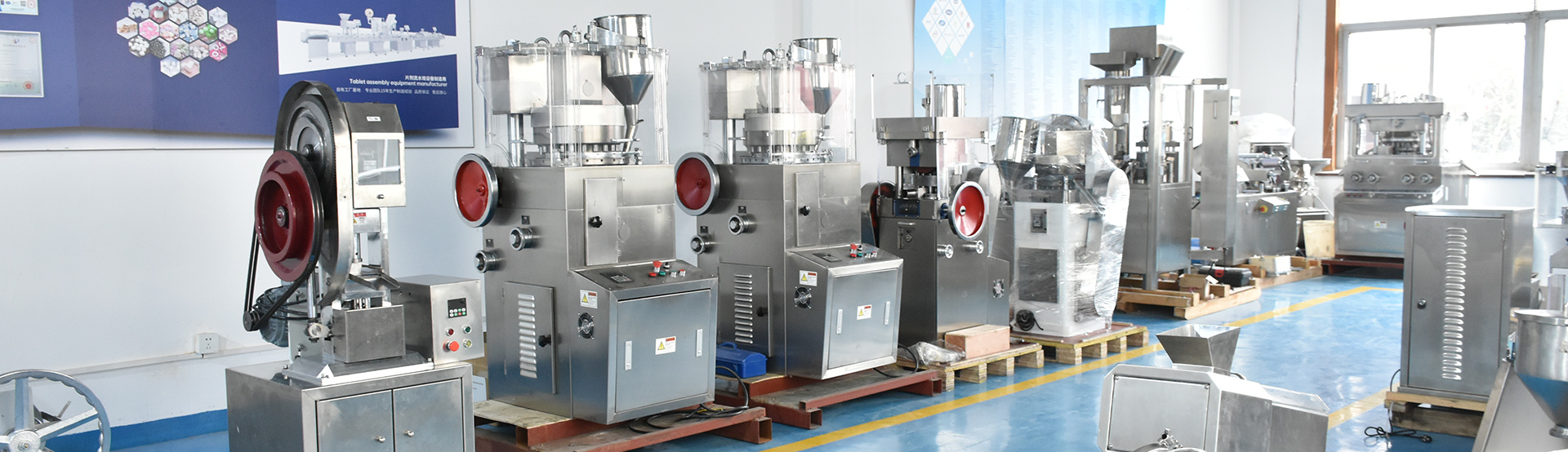
Recognizing these unique requirements, manufacturers like Tianhe Machinery have moved beyond offering generic machines to providing a spectrum of tablet presses specifically engineered or adapted for the milk tablet market. This targeted approach caters to the full range of producers, from individual entrepreneurs and small boutique operations to large-scale commercial manufacturers.
-
Single-Punch Tablet Presses: Empowering Small-Scale and Home Production
-
Market Need: The rise of DIY culture, small-batch artisanal producers, and home-based businesses catering to local communities or online niches created demand for accessible, user-friendly technology. Maternal and child stores promoting hands-on parenting activities further fueled this trend.
-
Tianhe's Solution: Tianhe responded by developing and promoting a series of small, benchtop single-punch tablet presses. These machines, like conceptually similar hand-operated tools (though Tianhe focuses on motorized precision), are characterized by:
-
Compact Size & Portability: Ideal for home kitchens, small workshops, or retail countertop demonstrations.
-
Ease of Operation: Simple controls, minimal setup, and straightforward tooling changes make them accessible to users without extensive engineering backgrounds.
-
Affordability: Lower capital investment lowers the barrier to entry for small businesses and individuals.
-
Flexibility: While ideal for milk tablets, they can often handle other small-batch powder compaction tasks.
-
-
Impact: These machines democratize milk tablet production, enabling personalized formulations (e.g., adding specific vitamins, probiotics, or flavors), small-scale local production, and educational or hobbyist use.
-
-
Dedicated Multi-Station Presses (THDP Series): The Workhorses of Specialized Production
-
Market Need: As demand grew beyond the smallest scale, dedicated producers needed machines offering higher output than single-punch presses while retaining specific optimizations for milk powder. Reliability, consistency, and efficiency became paramount for small to medium businesses supplying stores, clinics, or online platforms.
-
Tianhe's Solution: This is where models like the THDP-3, THDP-5, and THDP-6 tablet presses shine. These are typically eccentric or hydraulic presses designed with several key features for milk tablets:
-
Increased Output: Multiple stations (e.g., 3, 5, or 6 punches) allow for significantly higher production rates compared to single-punch models.
-
Optimized Tooling & Mechanics: Designed with the compaction characteristics of milk powder in mind, potentially offering better control over force and dwell time to minimize heat generation and improve tablet integrity.
-
Durability & Reliability: Built for continuous operation in a small business or dedicated production line environment.
-
Easier Scale-Up: Provides a natural progression path for businesses growing out of single-punch capacity but not yet needing full rotary scale.
-
-
Impact: The THDP series represents the core technology for the burgeoning specialized milk tablet producers, offering the perfect balance of specialized function, manageable scale, and cost-effectiveness.
-
-
Rotary Tablet Presses: High-Volume Commercial Manufacturing
-
Market Need: For established brands, large-scale manufacturers, or contract producers supplying major retailers, maximizing output and minimizing unit cost is essential. This requires industrial-grade performance.
-
Tianhe's Solution: Larger customers turn to rotary tablet presses. These sophisticated machines feature:
-
High Speed & Capacity: Equipped with numerous punch stations (often 16, 27, 33, 55, or more) rotating under compression rollers, enabling outputs of hundreds of thousands to millions of tablets per hour.
-
Advanced Control & Automation: Precise control over fill depth, compression force (often pre-compression and main compression), and tablet weight/thickness/hardness. Integrated automation for feeding, dust extraction, and tablet discharge is common.
-
Robustness & Integration: Designed for integration into fully automated packaging lines, operating 24/7 with minimal downtime. Built to exacting food-grade hygiene standards.
-
Customization: Rotary presses can be extensively customized with features like special feeders for challenging powders, in-line weight monitoring systems, de-dusting units, and punch lubrication systems crucial for preventing milk powder sticking on long production runs.
-
-
Impact: Rotary presses are the engines driving the mass availability of milk tablets on supermarket shelves globally, ensuring consistent quality and affordability at scale.
-
Beyond Milk Tablets: A Commitment to Innovation Across Applications
Tianhe Machinery's focus on understanding customer needs and innovating based on raw material characteristics isn't limited to the milk tablet sector. Their proactive approach to R&D is evident in their broader portfolio:
-
Panax Notoginseng Tablet Presses: Adapting technology for the unique properties of traditional Chinese medicinal powders, which often have different flow, binding, and compaction requirements compared to synthetic pharmaceuticals or food powders.
-
Powder Tablet Presses (General & Specialized): Offering solutions for a vast array of applications, including effervescent tablets, Cleaning Product tablets, industrial chemical tablets, and nutraceuticals beyond dairy. Each application may demand specific features regarding pressure, speed, tooling, or corrosion resistance.
-
Continuous Improvement: Tianhe emphasizes not just building machines, but solving problems. This involves working closely with customers to understand pain points (e.g., yield loss due to capping, downtime due to sticking, inconsistent weight) and iterating machine design, tooling options, and process recommendations.
The Future: Smart Technology and Sustainable Production
The evolution of tablet presses for markets like milk tablets is far from over. Key trends shaping the future include:
-
Integration of Industry 4.0: Smart sensors for real-time monitoring of compression force, tablet weight, and machine health; data analytics for predictive maintenance and process optimization; connectivity for remote diagnostics and support.
-
Enhanced Hygiene & Safety: Further improvements in clean-in-place (CIP) systems, material handling to minimize dust exposure, and antimicrobial surface treatments.
-
Sustainability Focus: Energy-efficient drives, reduced material waste through precision control, and designs facilitating easier recycling of components.
-
Ultimate Flexibility: Machines designed for rapid changeover between vastly different products (e.g., from milk tablets to hard candy discs or effervescent vitamins) with minimal downtime.
The milk tablet market exemplifies how consumer-driven diversification fuels technological innovation in established machinery like tablet presses. Tianhe Machinery, by focusing intensely on understanding the specific challenges posed by raw materials like milk powder and the varying scales of production – from the individual hobbyist using a benchtop press to the large corporation running high-speed rotary machines – has positioned itself as a key enabler of this growing sector. Their development of targeted solutions like the THDP series and scalable options from single-punch to rotary underscores a commitment to solving practical problems. As demand for convenient, functional, and specialized solid dosage forms continues to grow across food, nutraceuticals, and other industries, the ability of tablet press manufacturers to adapt, innovate, and offer tailored solutions based on deep material understanding will remain paramount. The transformation of the humble tablet press into a sophisticated, application-specific tool is a testament to the dynamic nature of modern manufacturing.